
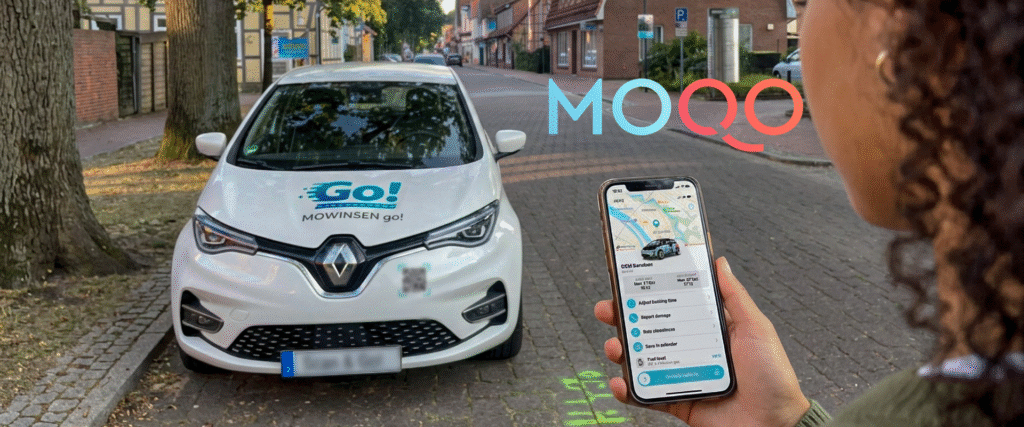
One Fleet, Every Business Model: What We've Learned Building a Carsharing Platform for Hundreds of Operators
Every carsharing operator we work with is after something different. Fewer cars in the city. A financially sustainable operation. Well-served members or employees. There's no single definition of success in this industry, and there shouldn't be.
What we've learned, across the hundreds of fleets running on MOQO in 19 countries, is that the operators who last share three things in common. They shape their own operation. They raise utilization. They cut operating costs. None of the three works well alone, but together they compound.
One fleet, every business model
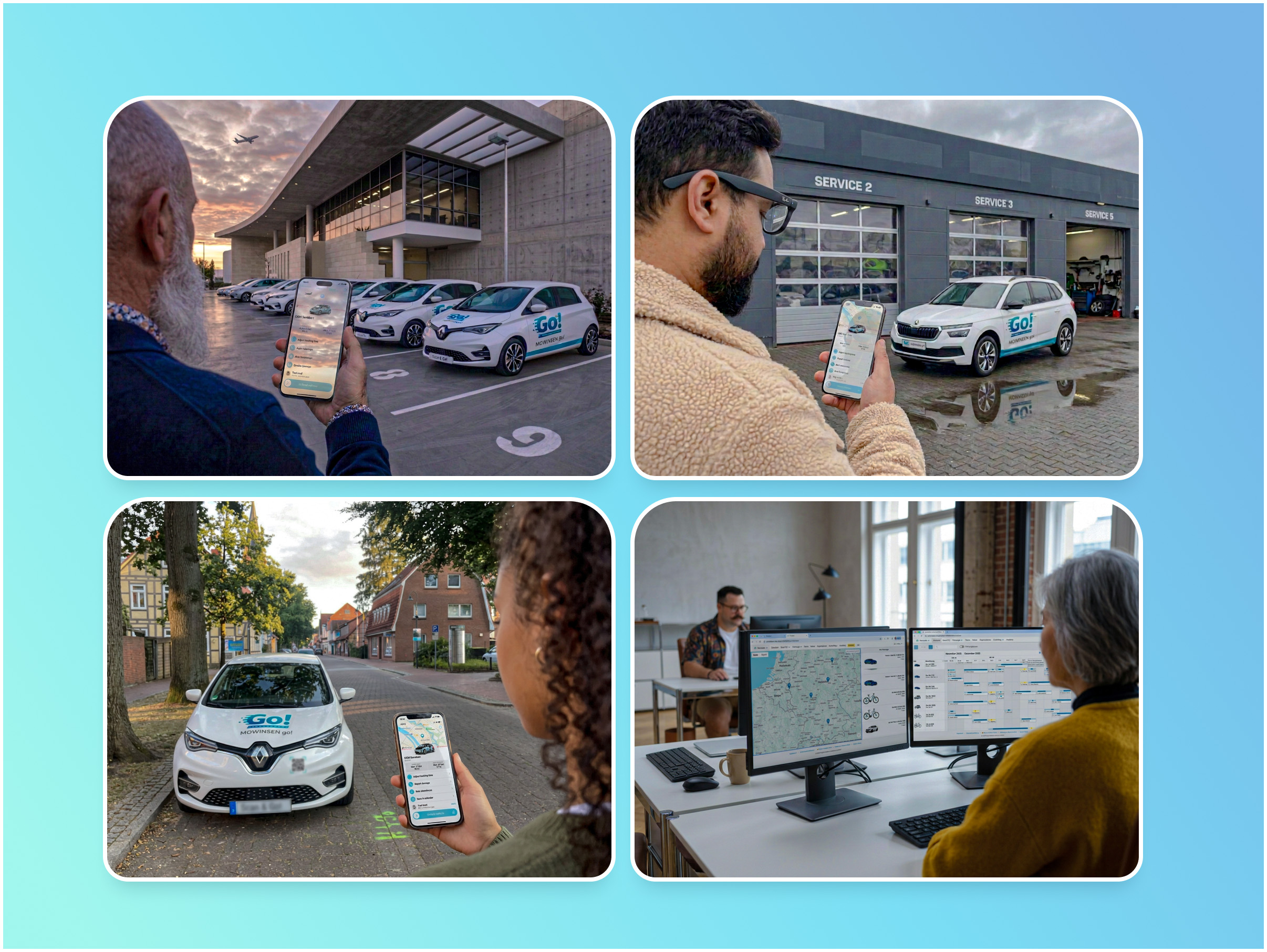
Start with utilization, because it's where most fleets leave value on the table. A shared vehicle can cover far more than a single use case. The same fleet that handles hourly bookings can also serve day rentals and month-long subscriptions, spontaneous trips and planned ones, for public carsharing, closed corporate fleets, a hotel's guest fleet, or a municipality's alternative to car ownership. How far you open that spectrum is your call, not ours. We built MOQO around this idea, one fleet, many business models, many use cases, because we kept seeing operators run separate systems for separate rental lengths and separate audiences when one platform could carry all of them.
Streamline operations
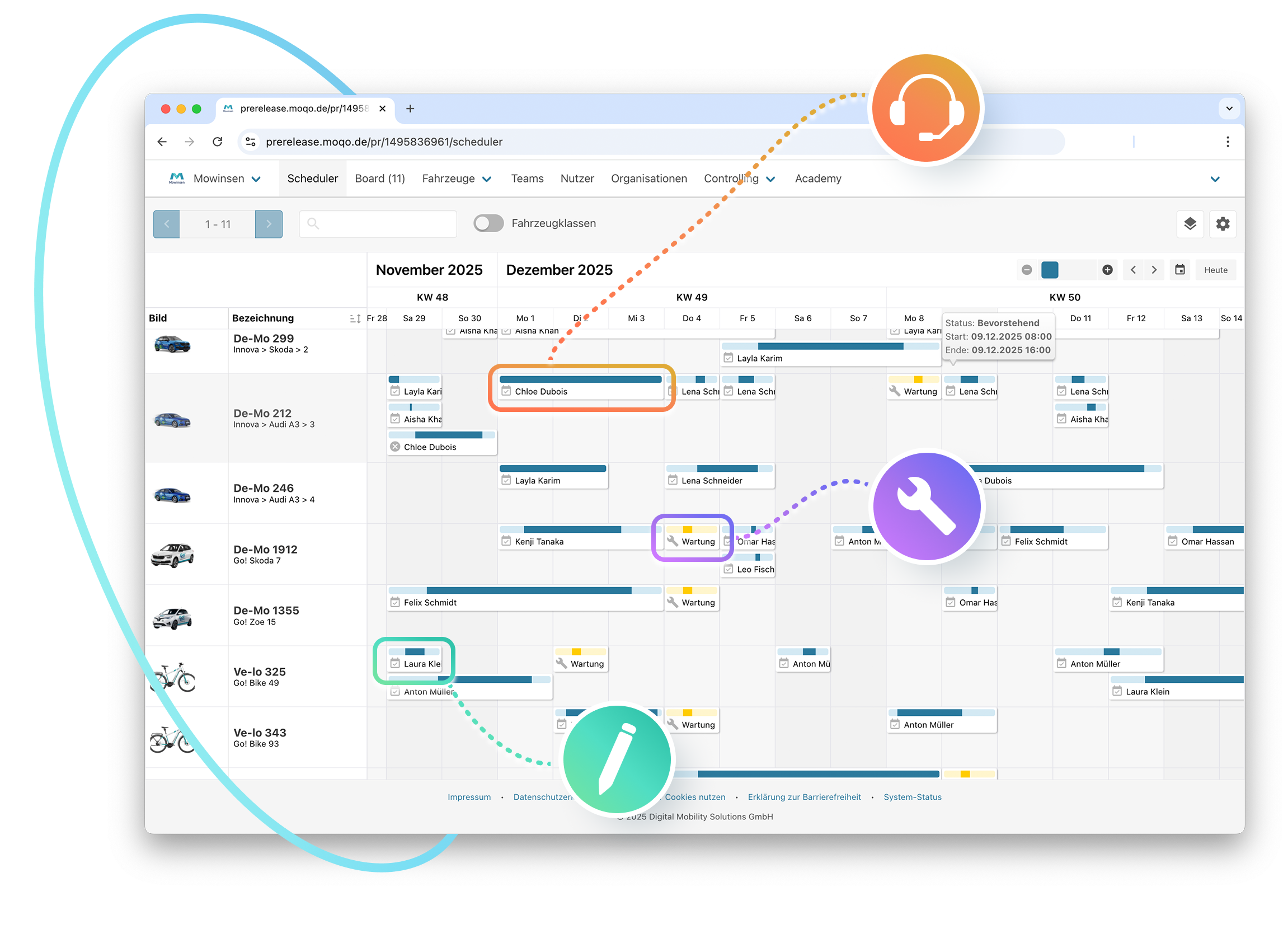
Utilization only pays off if operating costs don't rise with it. This is where automation earns its place, not as a buzzword, but as a way to keep a small team functional at scale. Driver's licence checks, damage detection, and support requests can run largely on their own. The platform is modular: each of these comes with several paths, and you configure which ones fit your operation. That frees up your team's time for what actually needs a person.
You are the driving force
The third piece, shaping it yourself, is the one operators tell us matters most, especially in a sector built on trust and community rather than franchise economics. Your brand comes first. The operation runs under your name, and MOQO supports from behind, all the way to white label. You set up new teams, locations, and vehicles yourself, without waiting on a vendor's support queue. That's also how one fleet ends up serving several audiences at once, each through its own access.
Open to your setup
If you're switching platforms, this same principle protects the transition. Operations keep running while the migration happens. Multiple on-board unit manufacturers, including Invers and Convadis, work with MOQO, so switching providers doesn't mean ripping out hardware.
A network pulling in the same direction
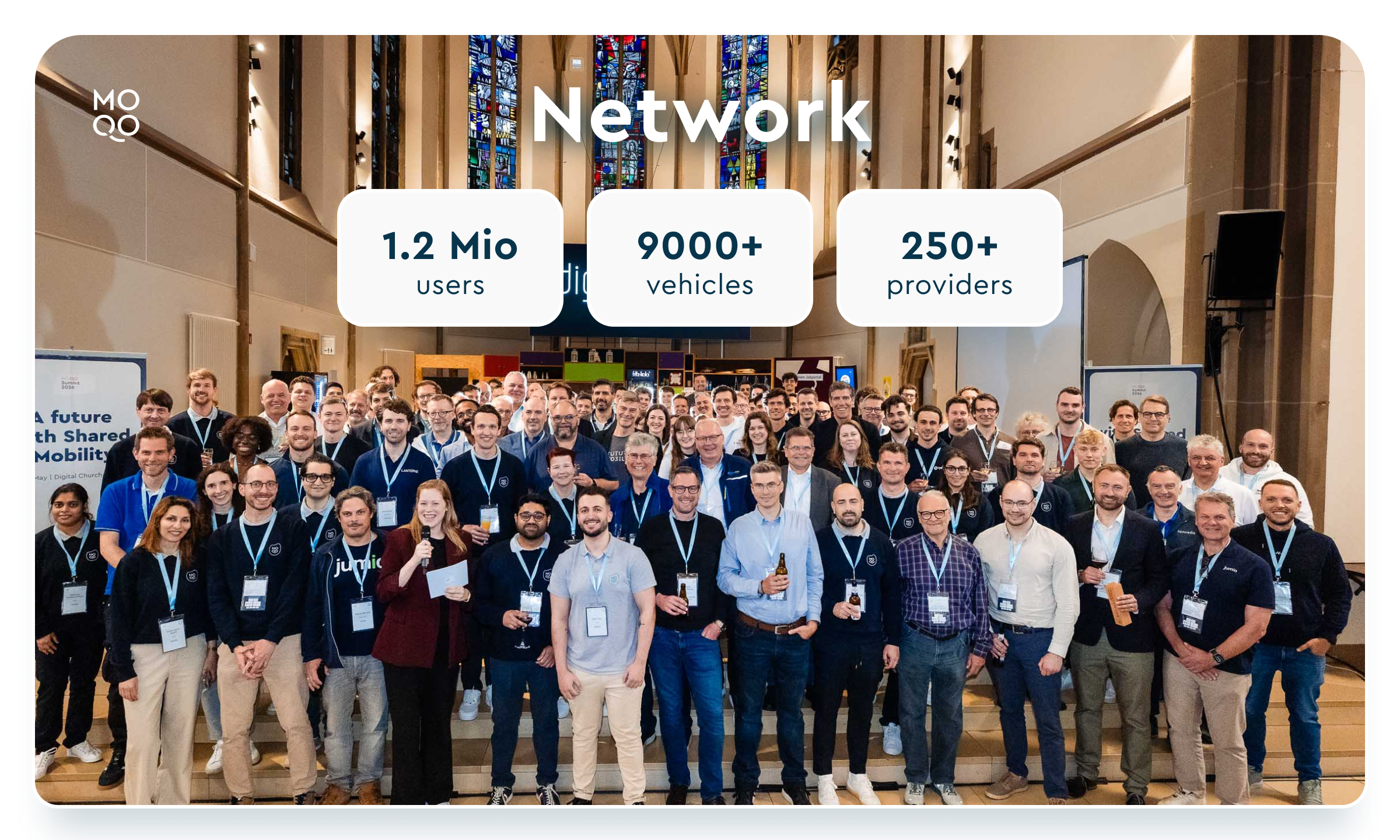
None of this happens in isolation. Operators on MOQO share best practices and the challenges every fleet knows, winter utilization, damage handling, expanding to the next city, through the platform and through events like the MOQO Summit.
Set up today, grow tomorrow, keep improving
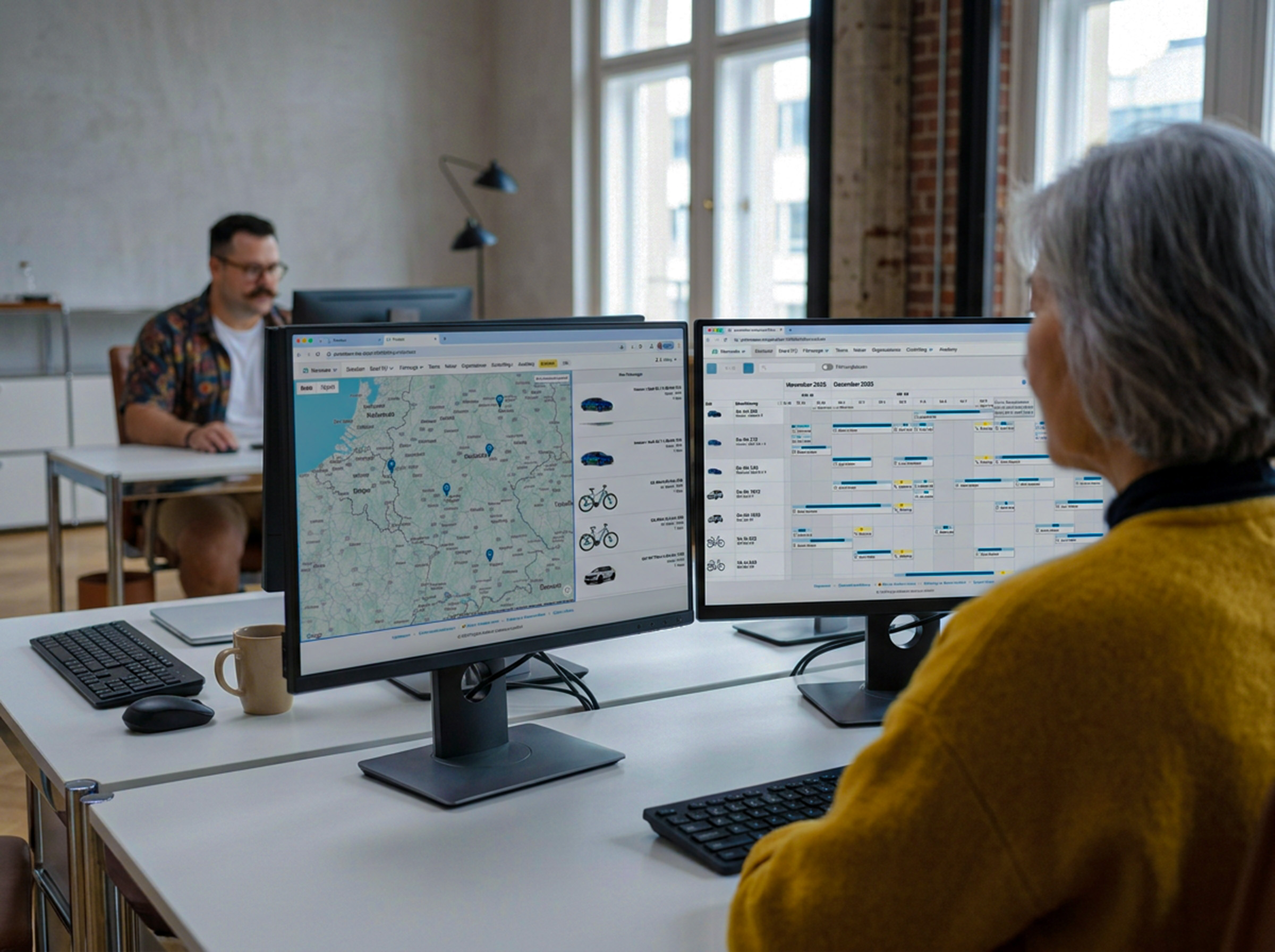
We'll be at the CSA Annual Conference in North Vancouver this October, and we'd rather show this than describe it: setting up a new location on MOQO takes a few clicks, not a support ticket. The one piece that isn't instant is connecting your on-board units, everything else, teams, pricing, access rules, you set up yourself. Come by and test it live in our sandbox, right at the booth. If utilization, cost, or control is the piece you're currently stuck on, we'll walk through it together.